

UK Water Companies Barred from Paying Executive Bonuses Over Pollution Failures
- All Things Being ISOs

- Oct 2, 2025
- 2 min read
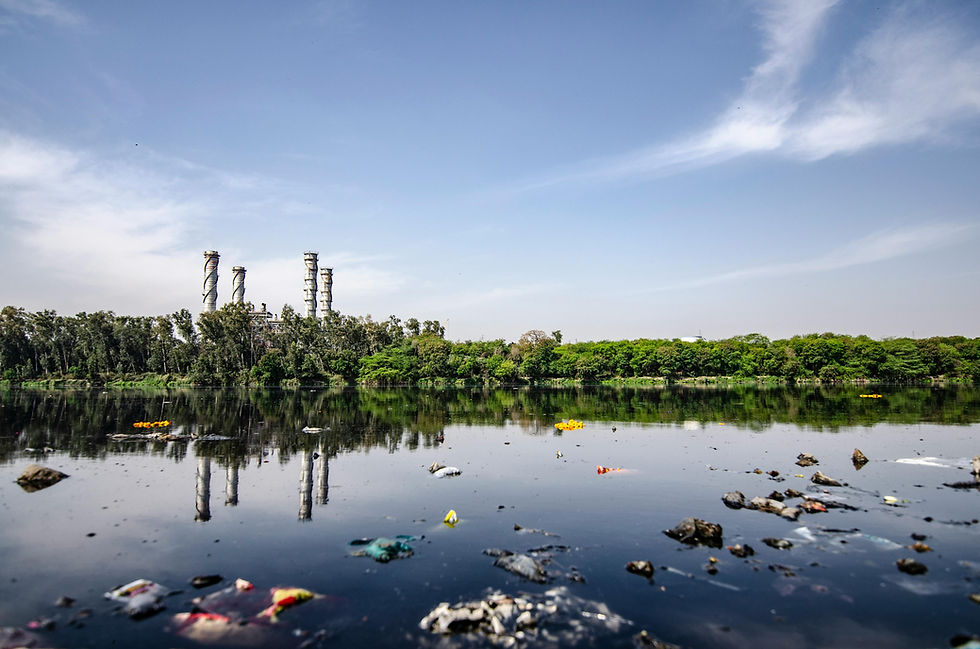
Six major water firms in England and Wales have been prohibited from awarding executive bonuses after repeated failures to control pollution. Under a new regulation, Thames Water, Yorkshire Water, Anglian Water, Wessex Water, United Utilities and Southern Water are barred from paying bonuses for the financial year ending in April.
The government said the decision was prompted by ongoing environmental infractions, including repeated serious pollution incidents. Thames Water alone is under investigation for seven major pollution events, some of which led to ecological damage and prompted public scrutiny. In response, Thames Water had already suspended its bonus scheme earlier this year.
“Water company bosses, like anyone else, should only get bonuses if they’ve performed well, certainly not if they’ve failed to tackle water pollution,” Environment Secretary Steve Reed said in a statement. He added that regulator Ofwat would closely monitor compliance to ensure the ban is not undermined through salary increases elsewhere.
Ofwat, the water services regulator, will also have powers to claw back bonuses and impose fines if firms breach the new rule. The government described the sector as “broken,” citing concerns about weak regulation, underinvestment in infrastructure, and lack of accountability.
Industry observers point to this move as an escalation in regulatory pressure. Previously, water companies faced fines and enforcement actions, but the new prohibition on bonuses marks a more direct lever over corporate leadership behavior. Some critics say it raises the stakes for senior executives to prioritize environmental compliance and infrastructure upgrades.
Thames Water, historically one of Britain’s largest utilities, has been under heavy financial and regulatory stress. Its challenges in managing wastewater treatment and leakages have led to mounting public and political backlash. At the same time, other water firms named in the ban have also been subject to scrutiny for pollution breaches or failure to meet environmental targets.
The timing of the ban reflects growing public concern over water quality, river pollution, and ecosystem damage. Regulators and government officials argue that executives must bear responsibility when environmental obligations are repeatedly unmet.
As this regulatory change takes effect, the affected companies will face tough choices. They must now focus on remediating pollution risks, strengthening operational compliance, and restoring public trust—without the incentive of bonus rewards tied to business performance in other areas. The success or failure of this policy may set a precedent for how environmental accountability is enforced at senior levels in other regulated industries.
A message from our sponsors, The Ideas Distillery:
If you would like to look at how to implement an ISO 14001 environmental management system, then simply contact us.
Or, if you want to see what's involved in more detail, then get a completely free, no obligation, totally tailored ISO Gap Analysis for your business (only available to UK businesses).


Comments